


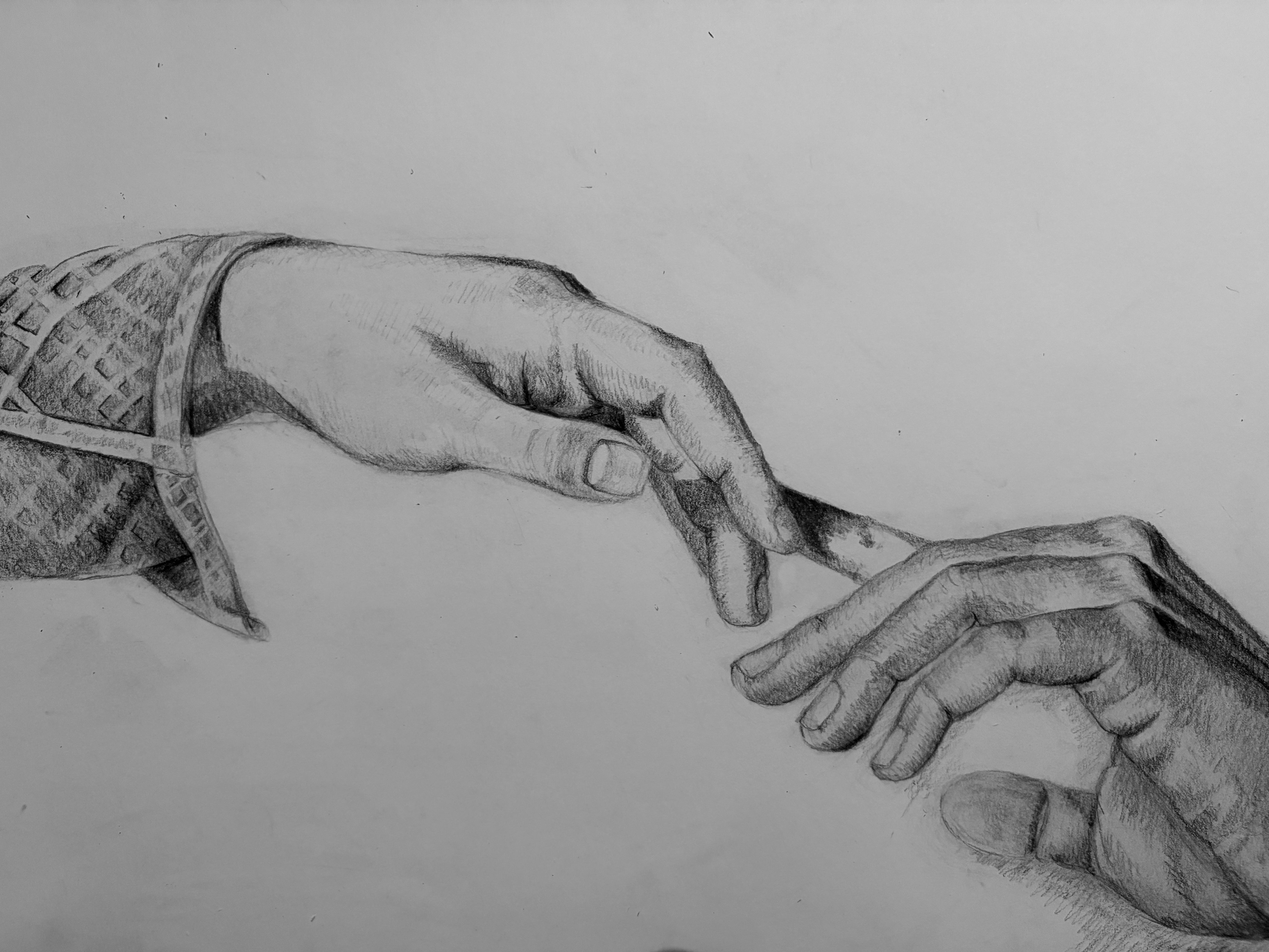
Pointing out that the virtual world has transformed our conception of connection is cliché. But how that online connection can be developed isn’t. It can inhibit or lay the grounds for us to build meaningful relationships. If we’re doom-scrolling half our days to distract ourselves, we’re more likely to feel not just isolated, but of no use to ourselves or others.
This feeling is growing now that both X and Instagram have dropped in content quality because of AI, so the first step for social media platforms to regain value would be to implement an AI filter, and a filter on the content we would like to see independently from the algorithm (instead of having to fight the algorithm by selecting what topics we don’t want to see). Substack has managed to implement the first option successfully, and that’s why users are flocking here. But regardless of company policies, the issue of virtual connection replacing real connection has been affecting us since the dawn of social media. I need to delve into a few, not-so-optimistic statistics and diagnoses on disconnection, before exploring the more optimistic outlook.
A recent Harvard study explored the epidemic of loneliness. To this day, almost a fourth of people report suffering from existential loneliness, which many times includes not having a friend to rely on. Others report having at least two close friends. If you have one truly close friend, you’re already above average for today’s standards. Not just because of the quantity, but the qualitative aspect: Real friends are hard to find. If not, know that you’re not an outlier. With remote working and self-employment, even the workplace can’t offer the connections we found in the pre-technological periods.
We’re entering an automated society where most labour-based jobs will be replaced. Both radical left and right-wing thinkers have analyzed how post-capitalism would inevitably lead to self-sufficiency, and therefore a necessary end to exploitative labor. Aaron Bastani, a British socialist journalist, explored in his book, Fully Automated Luxury Communism, how AI would lead to excessive abundance and therefore a communist utopia. A similar diagnosis was developed by reactionary political theorist Nick Land in The Dark Enlightenment, but he concluded that we should accelerate into capitalism so that its dissolution would bring new, functional anti-democratic systems of government. I would disagree with the idea that this world of independent automation will produce utopian communism or organic city-states; in my view, it will create a society of content creators who will assemble around their interests, and another competition-based hierarchy will naturally result from it. But the diagnosis here is important because technology and automation have created a post-scarcity society through self-reliance. As a result, we’re no longer motivated by the necessity of labor, and with modern tools making us less inclined to seek support from others, we become more alone. However, this solitude isn’t sustainable.
We’re reaching a turning point regarding human connection that deserves more attention, not least because we’re not surviving as a civilization. The relationship arena is substantially affected by this radical transition into automation. Most individuals in the West are no longer having children because they are becoming unaffordable due to inflation and rising costs of living. Children were once needed for labor, and they added to the economic output of the family; today, the opposite is true because labor is no longer needed, and men and women don’t need each other to survive, either. Romantic connection and creating a family are becoming an intentional choice, even a sacrifice. Only 59 percent of men are married by age 35-39, a stark decrease from our parents’ generation. By 2030, 45 percent of women are projected to be single and childless between the ages of 25-45 (the same or similar numbers apply to men). And what makes these statistics more concerning is that these conditions exist without the previous support system of an extended family, a broader community, or a workplace to alleviate the solitude, so instead, we resort to social media.
The basic question we can ask ourselves, instead of delving too much into analyses of the causes and symptoms, is: How do we reconnect?